
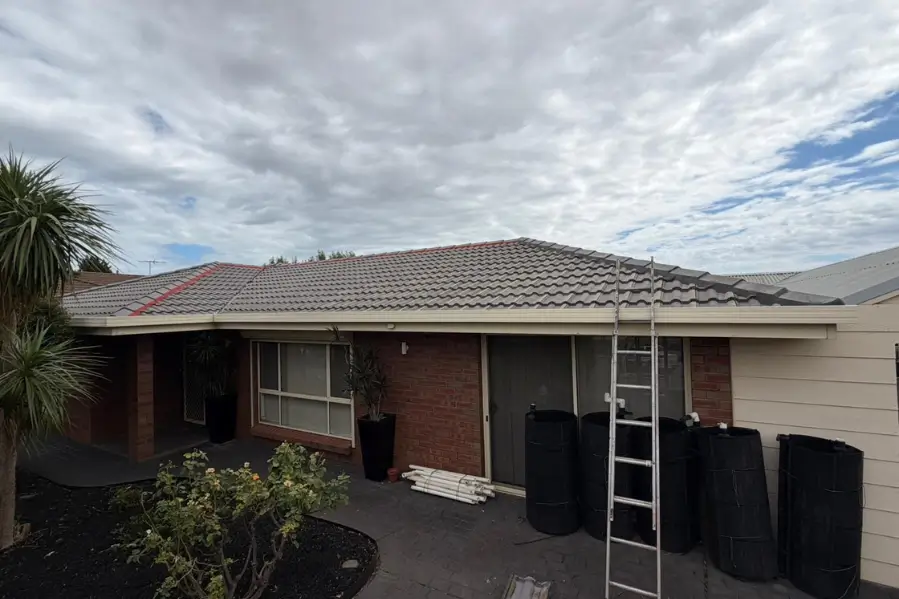
Short Answer: Most minor roof repairs can be completed within a few hours. Replacing multiple broken roof tiles may take a few hours to a full day, while repairing damaged flashing can take around a day. More extensive roof damage may require one or two days or longer. The actual timeframe depends on the extent of the damage, roof accessibility, weather conditions, and availability of materials.
Key Takeaways
- Minor roof leaks can often be repaired within a few hours.
- Replacing multiple cracked or broken roof tiles may take a few hours to a day.
- Damaged flashing repairs can take approximately one day.
- Extensive roof damage may require one or two days or longer.
- Weather, material availability, hidden damage, and roof accessibility can affect repair timelines.
- A professional roof inspection helps identify the actual cause of the problem before repairs begin.
- Regular roof inspections and gutter cleaning can help prevent more serious roofing problems.
How Long Does a Typical Roof Repair Take?
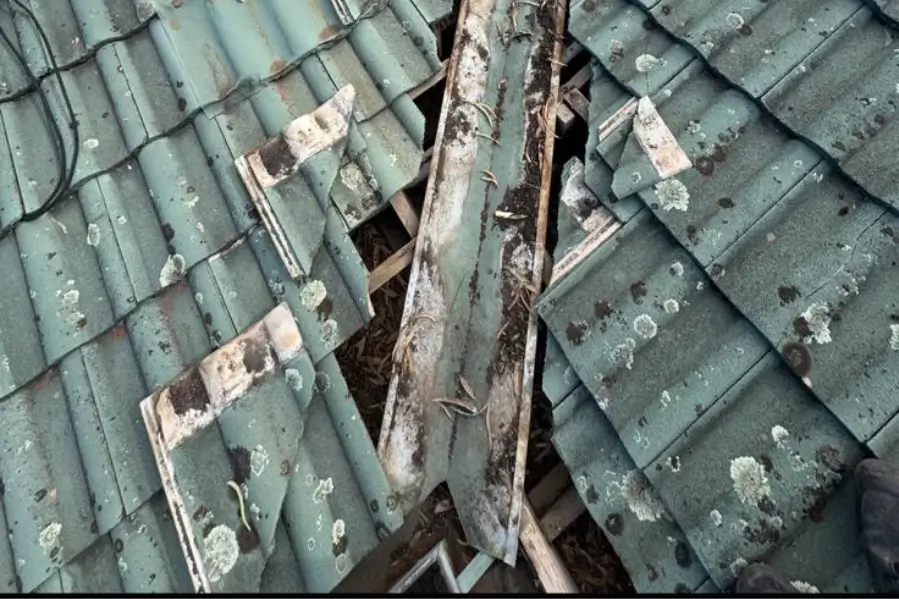
The time required to repair a roof depends on the type of damage, its location, and how much work is involved. Some problems are relatively straightforward, while others require additional investigation before repairs can begin.
Here are some general timeframes homeowners can expect.
Minor Roof Leak Repair: A Few Hours
Minor roof leaks can often be repaired within a few hours, provided the source is easy to identify and there is no significant underlying damage. If you’re experiencing a roof leak or other roofing problems, our roof repair services in Adelaide can help identify and address the issue.
For example, water may enter through a damaged roof tile, a small gap around flashing, or another vulnerable area.
Once the source has been identified, a roofing professional can recommend the appropriate repair and complete the work.
However, not every roof leak is straightforward. Sometimes water travels beneath tiles before becoming visible inside the property. The location of a ceiling water stain isn’t necessarily where the leak originates.
That’s why identifying the actual source is important before carrying out repairs.
Replacing Broken Roof Tiles: A Few Hours to One Day
Replacing a small number of broken or cracked roof tiles can often be completed within a few hours.
However, if several tiles are damaged across different sections of the roof, the work may take longer. If the roof has widespread damage or is nearing the end of its lifespan, roof replacement may be another option to consider.
The timeframe depends on:
- How many tiles need replacing.
- Where the damaged tiles are located.
- How easily the affected areas can be accessed.
- Whether suitable replacement tiles are available.
- Whether additional damage is discovered.
If replacement tiles are available and the damage is limited, the repair may be completed during the initial visit.
Repairing Damaged Roof Flashing: Around One Day
Roof flashing helps prevent water from entering vulnerable areas around chimneys, vents, roof junctions, and other penetrations.
When flashing becomes damaged, loose, or deteriorated, water can enter underneath the roofing materials and cause leaks.
Repairing damaged flashing may take around a day, depending on its location and the extent of the damage. Some repairs are straightforward, while others require removing surrounding materials and installing new flashing.
Extensive Roof Damage: One to Two Days or Longer
More extensive roof damage naturally requires additional time.
For example, a roof may have multiple leaks, several damaged sections, or deteriorated roofing components. Depending on the roof’s overall condition, roof restoration services may also be worth considering.
The contractor may need to investigate further, source additional materials, and complete repairs across different areas.
Depending on the complexity of the work, extensive roof repairs may take one or two days or longer.
The actual timeframe should be confirmed after a proper inspection.
What Factors Can Affect How Long a Roof Repair Takes?
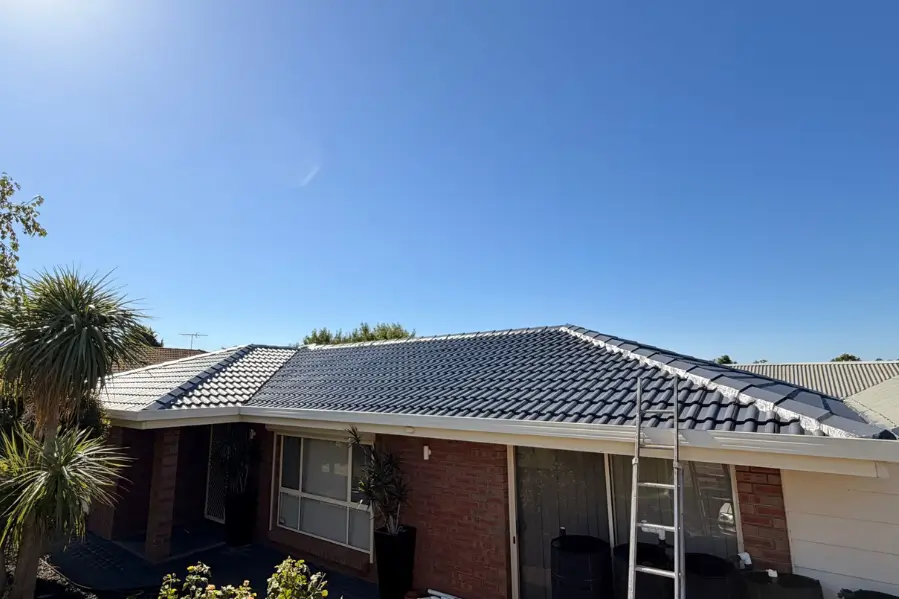
Even when two homeowners have similar roofing problems, the time required to complete their repairs can be different.
Several factors can influence the overall timeline.
1. Weather Conditions
Weather is one of the biggest factors affecting roofing work.
Rain and strong winds can make working at heights unsafe or prevent certain repairs from being completed properly.
For example, if a roofing contractor arrives to repair a leaking roof but heavy rain or strong winds develop, the work may need to be postponed.
A professional roofing contractor should prioritise safety and proper installation rather than rushing to complete a repair in unsuitable conditions.
2. Location and Extent of the Damage
A damaged tile in an easily accessible section of the roof may be straightforward to replace. However, damage around a difficult roof junction or an area with limited access may require additional equipment and preparation.
The extent of the damage matters too. Replacing one broken tile is very different from repairing multiple damaged sections across an entire roof.
3. Availability of Roofing Materials
Sometimes a repair takes longer because the required materials aren’t immediately available.
For example, a particular roof tile, flashing product, or metal roofing component may need to be ordered from a supplier.
This is particularly important when dealing with older roofing systems or specific tile profiles that may be difficult to match.
4. Hidden Roof Damage
Not all roofing problems are visible from the outside.
Sometimes homeowners notice water stains on their ceilings, but the actual source of the leak is somewhere else on the roof.
Water can travel beneath tiles or along roofing components before entering the property.
A roofing contractor may need to investigate different sections to identify where water is getting in. Additional damage may also become visible during the inspection.
Finding and addressing the underlying problem can take extra time, but repairing only the visible symptoms may not prevent the leak from returning.
5. Delays in Approving the Quotation
Another factor homeowners sometimes overlook is the time it takes to make a decision.
Many homeowners prefer to get multiple quotes before choosing a roofing contractor. Comparing prices and services is understandable, but the decision-making process can delay the start of necessary repairs. Before making your decision, consider these important questions to ask a roofer before hiring.
Once the contractor has inspected the roof and provided a quotation, the homeowner needs to review the recommendations and approve the work.
If you already know your roof needs attention, try to arrange an inspection and make a decision promptly rather than allowing a minor problem to remain unresolved.
How Does Roof Guard SA Approach Roof Repairs?
Before carrying out any roof repair, we believe it’s important to understand exactly what’s causing the problem.
At Roof Guard SA, our approach starts with an inspection rather than immediately replacing or repairing something without identifying the underlying issue. As experienced roofing contractors in Adelaide, we provide roof repairs, roof restoration, and roof replacement services to homeowners.
Step 1: Inspecting the Roof
We visit the property and look for visible signs of damage.
Depending on the reported problem, this may include checking:
- Broken or cracked roof tiles.
- Damaged flashing.
- Blocked gutters.
- Areas where water may be collecting.
- Visible gaps or damaged roofing components.
Blocked gutters are particularly important to check. Leaves, dirt, and other debris can prevent water from draining properly, potentially causing overflow and contributing to water entry.
Step 2: Identifying the Actual Problem
After the initial inspection, we investigate what is causing the damage.
For example, if a homeowner reports a roof leak, we don’t automatically assume the nearest visible roof tile is responsible.
We check the affected areas to identify the likely entry point and determine whether other roofing components are contributing to the problem.
Step 3: Providing a Quotation
Once we’ve identified the problem, we explain our findings and recommend the appropriate repair.
We provide the homeowner with a quotation and explain what needs to be done, including the proposed repair process.
Clear communication is important because homeowners should understand what they’re paying for and why the work is necessary.
Step 4: Completing the Repair
Once the homeowner approves the quotation, we arrange to carry out the repair.
Our priority is to address the problem as soon as reasonably possible and complete the work properly. We understand that a leaking or damaged roof can cause considerable stress, so we want homeowners to feel comfortable knowing their roofing issue has been addressed.
Can a Roof Repair Be Completed During the First Visit?
Yes, many minor roof repairs can be completed during the initial visit.
For example, if a homeowner has a minor roof leak or a small number of broken tiles, the contractor may be able to identify the problem and complete the repair during the same visit.
However, this depends on the nature of the damage and whether the necessary materials and equipment are available.
Additional visits may be required when:
- Specific replacement tiles or materials need to be ordered.
- The source of a leak isn’t immediately identifiable.
- Hidden damage requires further investigation.
- The repair involves several damaged sections.
- Additional equipment or specialist work is required.
A quick repair isn’t always the best repair. The goal should be to fix the underlying problem properly rather than rushing through the job.
How Can Homeowners Prevent Major Roof Repairs?
From our experience, regular roof maintenance can help homeowners identify minor problems before they develop into more extensive damage.
We recommend arranging a professional roof inspection at least once a year. If possible, consider having your roof inspected every six months, particularly if your property is exposed to harsh weather or surrounded by trees.
Homeowners should also pay attention to the following:
- Check your gutters: Keep gutters and downpipes clear of leaves, dirt, and debris so rainwater can drain properly.
- Look for cracked tiles: Check for visible signs of broken, missing, or displaced tiles.
- Watch for water seepage: Pay attention to damp patches, ceiling stains, or signs of moisture inside your property.
- Check for visible flashing damage: Damaged or deteriorated flashing can allow water to enter vulnerable roof areas.
- Arrange inspections promptly: Don’t wait until a small leak becomes a more serious problem.
Avoid climbing onto the roof yourself. Roof surfaces can be dangerous, particularly when wet. Leave inspections and repairs at height to appropriately equipped professionals.
Frequently Asked Questions About Roof Repair Timeframes
Can a roof leak be repaired in one day?
Yes. Many minor roof leaks can be repaired within a few hours. However, leaks involving hidden damage or multiple affected areas may take longer.
How long does it take to replace broken roof tiles?
Replacing a small number of broken roof tiles can often take a few hours. If multiple tiles are damaged or the affected areas are difficult to access, the work may take up to a day or longer.
Why is my roof repair taking longer than expected?
Weather conditions, material availability, difficult roof access, and hidden damage can all affect the repair timeline. Additional work may also be necessary if the initial inspection doesn’t reveal the full extent of the problem.
Can roof repairs be completed while I’m away from home?
In many cases, yes. Homeowners don’t always need to be present throughout the repair. However, this depends on property access, the type of work, and safety arrangements. Discuss access and communication requirements with your roofing contractor beforehand.
Should I repair a small roof leak immediately?
Yes. Even a small leak can allow water to enter the roof structure and cause further damage over time. Arrange an inspection as soon as you notice signs of a leak so the underlying problem can be identified and addressed.
Final Thoughts
Most minor roof repairs can be completed within a few hours, while more extensive repairs may take one or two days or longer. However, every roof is different, and the actual timeframe depends on the type of damage, accessibility, weather, and availability of materials.
At Roof Guard SA, our priority is to identify the cause of the problem, explain the recommended repair, and complete the work as soon as reasonably possible without compromising quality.
Our advice to Adelaide homeowners is simple: don’t wait until a small roofing issue becomes a major problem. Check your gutters regularly, look out for cracked or damaged tiles, and consider arranging a professional roof inspection every six months or at least once a year.
If you’ve noticed a roof leak, damaged tiles, or other signs of roof damage, contact Roof Guard SA to arrange a roof inspection and discuss the right repair solution for your property.
Leave A Comment