
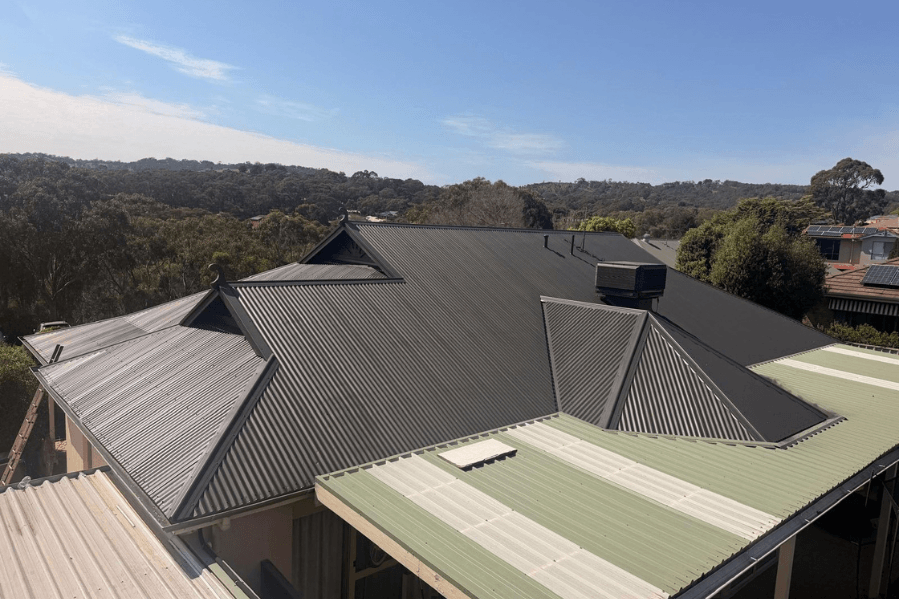
Short answer: Choose roof repair when the damage is limited, the roof is otherwise in good condition, and it still has substantial service life remaining. Roof replacement is generally considered when damage is widespread, leaks keep returning, the roof is nearing the end of its expected service life, or the underlying roof structure has significant deterioration. The right choice depends on the roof’s age, material, damage, repair history, and the cost of fixing it compared with replacing it.
A leaking or damaged roof does not always mean you need an entirely new roof. At the same time, repeatedly repairing an ageing roof can become expensive without solving the underlying problem. Understanding the difference can help homeowners make a more informed decision before committing to a major roofing project, whether they need roof repair services in Adelaide or are considering a complete replacement.
Key Takeaways
- Roof repair is usually suitable when damage is isolated and the rest of the roof remains in good condition.
- Roof replacement may be necessary when deterioration is widespread, leaks keep returning, or the roof is nearing the end of its useful life.
- Roof age is important, but it should not be the only factor in the decision.
- Repeated repairs can become costly if they are only treating symptoms rather than an underlying roofing problem.
- A professional roof inspection can help determine whether repair, restoration, or replacement is the most appropriate option.
What is the difference between roof repair and roof replacement?
Roof repair fixes a specific problem or damaged section, while roof replacement removes the existing roofing system and installs a new one.
A repair might involve replacing broken tiles, fixing flashing, sealing a leak, repairing ridge capping, replacing damaged sheets, or addressing a small section of deteriorated roofing.
A replacement is much more extensive. Depending on the roofing system, it can involve removing the existing materials, inspecting the roof deck or structure, installing new underlay or other components, and fitting new roofing materials.
The National Roofing Contractors Association notes that a roof leak does not automatically mean the entire roof needs replacing because leaks can result from localized problems such as damaged sections or loose flashing.
When does a roof repair make more sense?
Roof repair usually makes sense when the problem is localized and the rest of the roof remains in good condition.
Common situations where repair may be appropriate include:
- One or two isolated leaks
- A few cracked or broken roof tiles
- Localised storm damage
- Damaged or loose flashing
- A small area of damaged roofing material
- Minor ridge capping deterioration
- A damaged roof vent or penetration
- A small section of rust or corrosion
- Blocked or damaged roof drainage components
For example, if a relatively young tiled roof develops a leak around a flashing point, replacing the flashing may resolve the problem without disturbing the rest of the roof.
Australia’s YourHome guidance also recommends addressing issues such as cracked roof tiles and damaged roof components rather than automatically replacing the entire roof.
When should you consider replacing your roof?
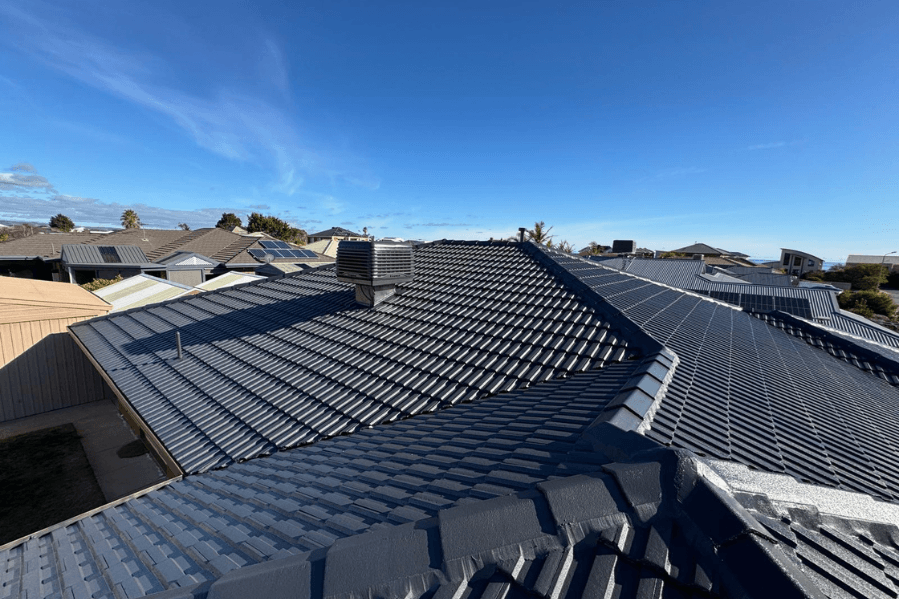
Replacement becomes more appropriate when the roof has widespread deterioration or is approaching the end of its useful service life.
Warning signs can include:
- Multiple leaks in different areas
- Extensive cracked, broken, or missing roofing materials
- Persistent moisture or mould problems
- Significant corrosion
- A sagging or uneven roof
- Deteriorated roof decking or structural components
- Repeated repairs over several years
- Widespread storm damage
- Roofing materials that are deteriorating across large sections
- Repair costs that are becoming disproportionate to the value of the remaining roof life
GAF’s 2026 guidance identifies factors such as roof age, extent of damage, repair history and repair-versus-replacement cost as important considerations. It also identifies sagging, multiple leaks and visible daylight through roof boards as signs requiring serious attention.
If the damage is widespread or the roof is nearing the end of its useful life, roof replacement may provide a more practical long-term solution.
How does roof age affect the repair-or-replacement decision?
Age matters, but it should not be used by itself to decide whether a roof needs replacement.
Different roofing materials have different expected service lives, and actual performance depends on installation quality, climate, maintenance and exposure.
For example, GAF currently gives typical ranges of around 20–30 years for three-tab asphalt shingles, 30–50 years for architectural shingles, 40–70 years for metal roofs, and 50–100 years for clay or concrete roofing materials. These are general ranges rather than guarantees.
A 20-year-old roof in excellent condition may not need immediate replacement, while a much newer roof with poor installation, severe storm damage or structural problems may require substantial work.
The better question is:
How much useful life does the existing roof realistically have left?
What signs indicate that a roof may need more than a simple repair?
Some problems deserve a professional assessment because they can indicate issues beneath the visible roofing material.
Are repeated leaks a sign that the roof needs replacement?
They can be. One isolated leak may be repairable, but leaks occurring repeatedly in different locations can indicate broader deterioration.
Before recommending replacement, a roofer should identify the actual source of the leaks and inspect surrounding areas.
Is a sagging roof a serious warning sign?
Yes. A visible sag or uneven section can indicate a problem with the roof structure or decking. This is not something that should simply be covered with another layer of roofing material.
Does water damage mean the entire roof needs replacing?
Not necessarily. Water damage can sometimes be localized and repaired. However, extensive or long-term moisture damage may require more substantial roof work.
This is why identifying the source of water intrusion is important before deciding between repair and replacement.
How should I compare the cost of repair with roof replacement?
Do not compare only today’s repair bill with the price of a new roof. Consider how long each option is likely to last and whether further repairs are likely.
| Factor | Roof Repair | Roof Replacement |
|---|---|---|
| Initial cost | Usually lower | Usually higher |
| Best for | Localized problems | Widespread deterioration |
| Project size | Smaller | Major project |
| Disruption | Usually limited | Greater |
| Remaining roof life | Important consideration | Resets the roofing system’s service life |
| Repeated repairs | May become uneconomical | Removes recurring problem areas |
| Structural problems | Limited repairs may be possible | More appropriate when deterioration is widespread |
| Long-term planning | Useful for extending existing roof life | Useful when the existing roof is nearing the end of its life |
There is no universal percentage that automatically means replacement is necessary. Some roofing guides use rules such as comparing repair costs with a portion of replacement costs, but these are rules of thumb, not building codes or universal standards. The condition and remaining service life of the roof still matter.
What are the advantages of repairing a roof?
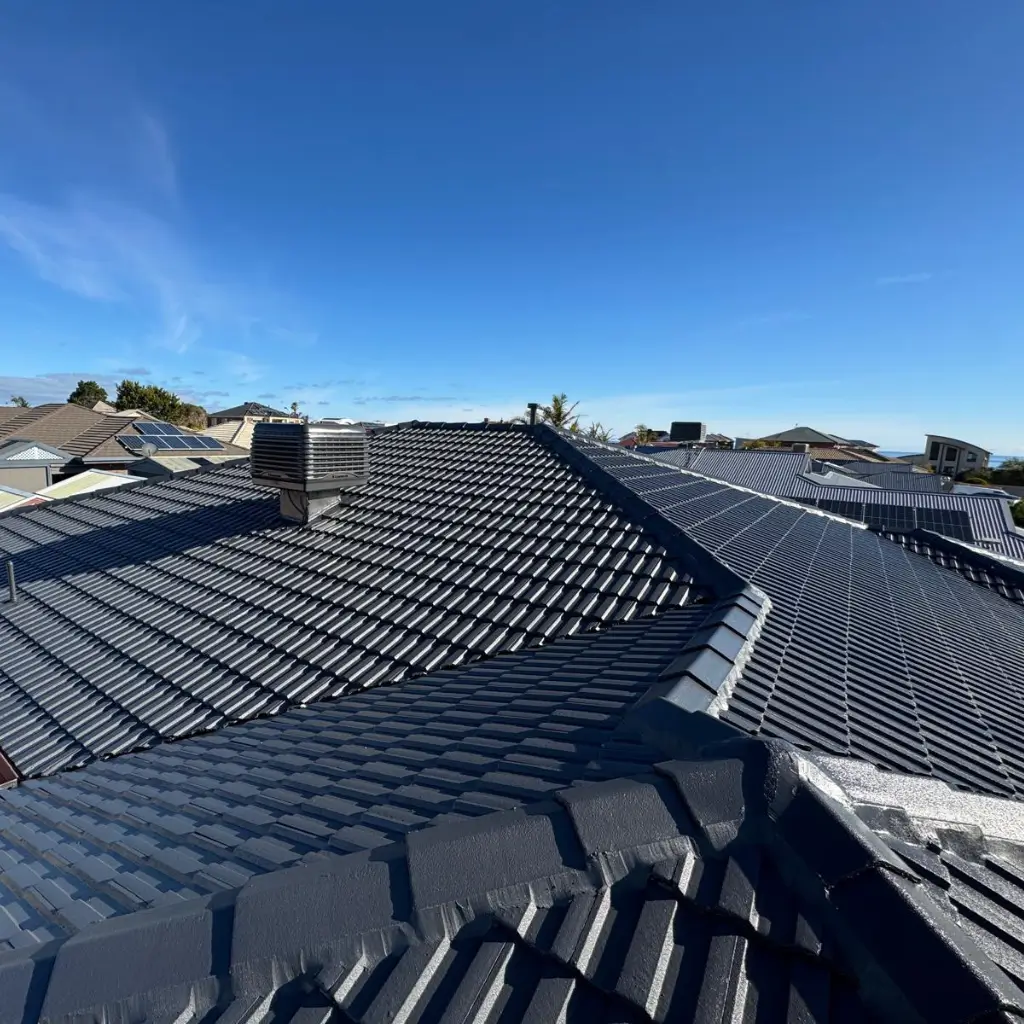
The biggest advantage of repair is that you can address a specific problem without replacing a roof that still has useful life.
Potential benefits include:
- Lower upfront cost
- Faster completion
- Less disruption to the household
- Preservation of an otherwise healthy roof
- Ability to address storm or accidental damage quickly
- Extension of the roof’s useful service life
In some cases, homeowners may also benefit from roof restoration services, which can address multiple areas of deterioration while helping extend the useful life of an existing roof.
However, a repair should solve the underlying problem rather than simply hide the symptoms.
What are the advantages of replacing a roof?
Replacement provides a new roofing system when the existing roof has reached the point where repairs are no longer a sensible long-term solution.
Potential benefits include:
- New roofing materials
- Opportunity to address underlying problems
- Improved weather protection
- Reduced dependence on repeated repairs
- Opportunity to improve ventilation and flashing details
- New manufacturer or workmanship warranties, where applicable
- Updated appearance and improved curb appeal
A replacement also gives the contractor an opportunity to inspect the roof structure after the existing materials are removed.
What should I check before deciding between repair and replacement?
Before making a decision, ask a qualified roofing professional to assess:
- Roof age – When was it installed?
- Roof material – Tile, metal, Colorbond, shingles or another system?
- Damage extent – Is the problem isolated or widespread?
- Leak history – Is this the first leak or one of many?
- Roof structure – Is the decking or supporting structure sound?
- Previous repairs – How often has the roof needed work?
- Remaining service life – How much useful life could reasonably remain?
- Repair cost – What will the repair actually fix?
- Replacement cost – What would a complete replacement involve?
- Long-term plans – Are you planning to stay in the property for many years?
The NRCA recommends regular inspections because problems such as cracked or missing roofing materials, deteriorated flashing and other defects can be identified before they become more serious.
What is the simplest way to decide between roof repair and replacement?
Use this framework as a starting point:
Choose repair when:
- The damage is localized.
- The roof is relatively young or has substantial life remaining.
- The underlying structure is sound.
- Previous repairs have been limited.
- The repair provides a realistic long-term solution.
Consider replacement when:
- Damage is widespread.
- Multiple areas are leaking.
- The roof is approaching the end of its service life.
- Repairs keep recurring.
- Structural deterioration is present.
- The cost of continuing repairs is becoming difficult to justify.
Most importantly, do not decide based on roof age alone. A professional inspection can determine whether the visible problem is isolated or part of a larger roofing-system failure.
What should I do if my roof is leaking right now?
If you have an active leak, address it promptly rather than waiting for the damage to spread. Water can cause damage to ceilings, insulation, timber and other parts of the home.
From inside the property, look for water stains, damp areas or peeling paint. From outside, look for obvious damage from ground level rather than climbing onto the roof yourself. Roofing associations warn that walking on damaged roofing can create additional damage and increase the risk of injury.
For homeowners in Adelaide and surrounding South Australian suburbs, a professional roof inspection can help determine whether the appropriate solution is roof repair, roof restoration, or complete roof replacement.
Ready to Find the Right Roofing Solution?
If you’re unsure whether your Adelaide roof needs a repair, restoration, or complete replacement, Roof Guard SA can assess its condition and explain the available options. Our team provides roofing services across Adelaide and surrounding suburbs, helping homeowners address leaks, damaged tiles, deteriorated roof components, and ageing roofing systems.
Contact Roof Guard SA today to arrange a roof inspection and find out what your roof actually needs.
Frequently Asked Questions
Is it cheaper to repair or replace a roof?
Roof repair is usually cheaper upfront, but replacement may provide better long-term value when the existing roof has widespread deterioration or requires frequent repairs.
How do I know if my roof needs repair or replacement?
Look at the age, extent of damage, number of leaks, previous repairs and condition of the underlying roof. A professional inspection can determine whether the problem is localized or widespread.
Can a leaking roof be repaired without replacing it?
Yes. Many leaks are caused by localized problems such as damaged tiles, flashing, roof penetrations or other components. A leak does not automatically mean the entire roof needs replacement.
How long does a roof normally last?
It depends heavily on the roofing material, installation quality, climate and maintenance. For example, GAF lists typical ranges from roughly 20 years for some asphalt shingle systems to several decades for metal, clay, concrete and slate roofing.
Should I replace an old roof if it is not leaking?
Not necessarily. An older roof that is performing well may not require immediate replacement. However, an inspection can identify deterioration that is not yet causing visible leaks.
Can roof repairs extend the life of an old roof?
Yes, when the underlying roof is still serviceable. Promptly repairing damaged roofing materials, flashing and other components can help prevent small problems from becoming larger ones.
Should I inspect my roof myself?
Basic visual checks from the ground and inside the home can help identify warning signs, but climbing onto a roof can be dangerous. Professional roof inspections are safer and can identify problems that are difficult for homeowners to see.
Leave A Comment